

Insurance Appraisals for Fine Art & Antiques

Insuring fine art, antiques, and other valuable personal property begins with an accurate understanding of what it would cost to replace those objects today—not what they were purchased for years ago.
An insurance appraisal provides a documented opinion of replacement value based on current market research. It allows your insurance carrier to establish appropriate coverage and provides important documentation should a loss ever occur.
Whether you own a single painting or a significant collection, an appraisal helps ensure that your coverage reflects today's market rather than yesterday's.
What Is an Insurance Appraisal?
An insurance appraisal is a professional valuation prepared for the purpose of obtaining or maintaining insurance coverage.
Unlike an appraisal prepared for estate administration, equitable distribution, charitable donation, or tax reporting, an insurance appraisal develops an opinion of replacement value—the cost to replace an object with another of comparable age, quality, condition, provenance, and desirability in the appropriate retail marketplace.
Each report includes detailed object descriptions, photographs, and market research to clearly identify the property and support the concluded value. This documentation provides both you and your insurer with a clear record of the collection as it exists on the effective date of the appraisal.
Because insurance appraisals may become important claim documents, they should be prepared by an appraiser who is qualified in the relevant specialty and who follows the Uniform Standards of Professional Appraisal Practice (USPAP).
Why Do I Need an Insurance Appraisal?
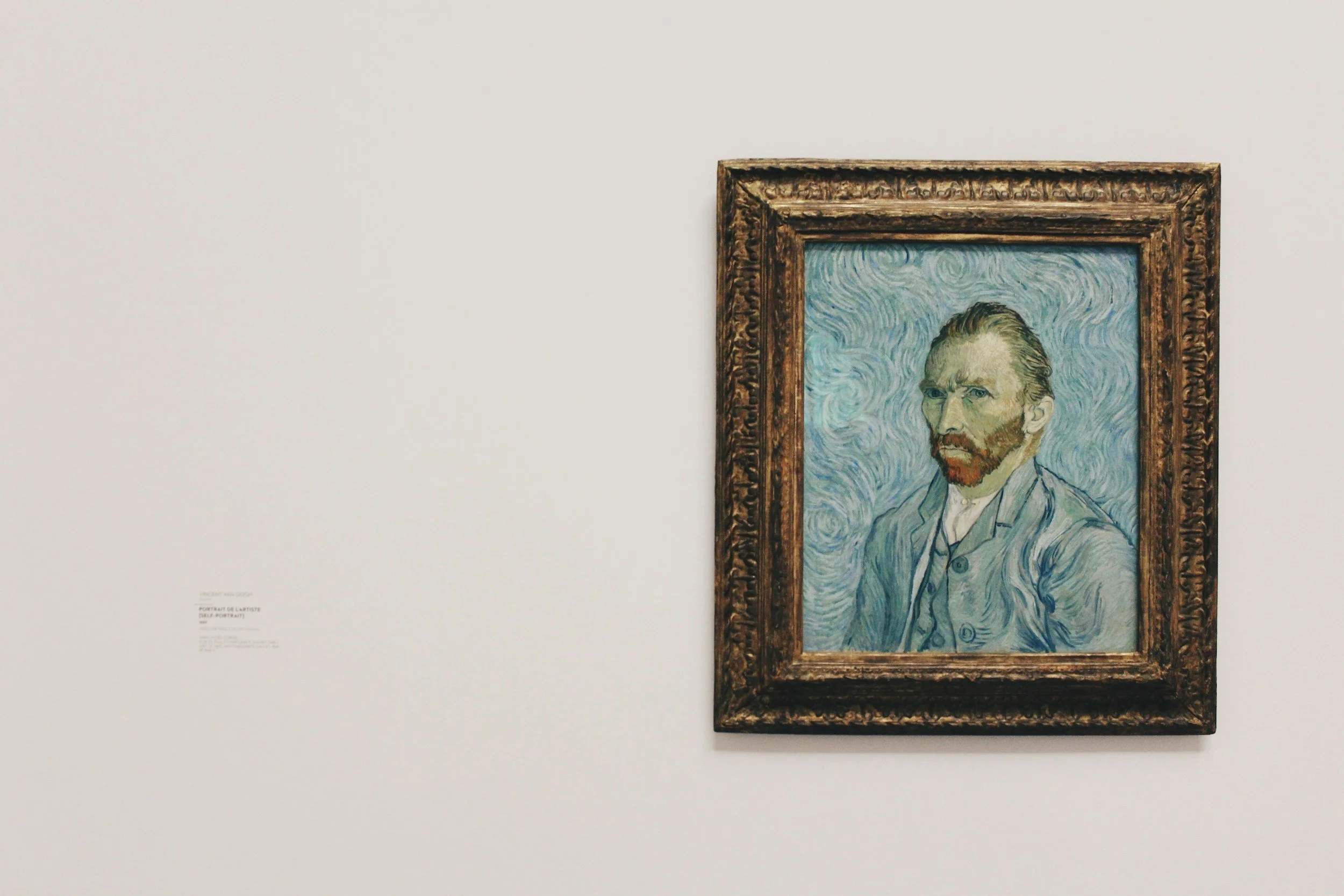
Fine art and antiques are unlike most household possessions. Their value is influenced by changing markets, rarity, condition, provenance, and collector demand.
An appraisal serves two important purposes. First, it helps your insurance carrier determine the appropriate amount of coverage. Second, it creates detailed documentation of the property itself should a loss, theft, or damage occur.
Without current documentation, valuable objects may be underinsured, overinsured, or more difficult to substantiate during the claims process.
How Often Should an Insurance Appraisal Be Updated?
For most collections, insurance appraisals should be reviewed every three to five years.
However, an earlier update may be appropriate if:
You have acquired or sold significant works.
An artist's market has changed substantially.
Conservation or restoration has been completed.
Your insurer requests updated documentation.
The collection has been relocated.
You have changed insurance carriers.
There is no universal expiration date for an appraisal, but markets are rarely static. A painting insured several years ago may cost considerably more—or occasionally less—to replace today. Periodic updates help ensure that your coverage continues to reflect current market conditions.
Replacement Value vs. Agreed Value
These terms are often used together but refer to different concepts.
Replacement Value
Replacement value is the value most commonly developed for insurance appraisals. It represents the estimated cost to acquire another object of comparable age, quality, condition, provenance, and desirability in the appropriate retail marketplace as of the appraisal's effective date.
Agreed Value
Agreed value is not a type of appraisal. It is a feature of certain insurance policies.
Under an agreed value policy, the insurer and policyholder agree in advance on the amount that will be paid in the event of a covered total loss. While an appraisal is often used to establish an appropriate amount, the agreed value itself is determined by the insurance policy.
What Can Be Included in an Insurance Appraisal?
Lindsey Owen Appraisals specializes in fine art and antiques and prepares insurance appraisals for a wide range of tangible personal property, including:
Fine art
Antique and designer furniture
Decorative arts
Silver
Ceramics and porcelain
Asian art
Rare books and manuscripts
Maps and prints
Historical objects
Private collections
If your collection includes multiple collecting categories, each object is researched within its appropriate market. Appraisals are never based on generalized estimates or automated valuation tools.
The Appraisal Process
Every assignment begins with a conversation about your collection and the intended use of the appraisal.
After establishing the scope of work, the property is inspected, documented, and researched using current market data. Comparable sales, retail offerings, and other relevant market evidence are analyzed before a replacement value is developed. The completed appraisal is delivered in a USPAP-compliant report suitable for submission to your insurance carrier.
Whether the assignment involves a single painting or an extensive collection, the process is designed to provide clear documentation, well-supported conclusions, and a report that can be relied upon by both clients and insurers.
Frequently Asked Questions
How often should I update my insurance appraisal?
Most insurance appraisals should be reviewed every three to five years. Collections experiencing significant market appreciation—or those that have changed through acquisitions, sales, or conservation—may warrant more frequent updates.
Do insurance companies require appraisals?
Many insurers request appraisals before scheduling high-value personal property. While requirements vary by carrier and policy, an appraisal provides the documentation needed to establish appropriate coverage and support future claims.
What is the difference between replacement value and fair market value?
Replacement value determines what it would cost to replace an object in the appropriate retail market. Fair market value determines the price at which property would change hands between a willing buyer and seller. The intended use of the appraisal determines which definition of value is appropriate.
Can I insure artwork without an appraisal?
For lower-value items, an appraisal may not be required. However, insurers commonly request appraisals when scheduling individual works of art or valuable collections. Even when not required, a professional appraisal provides documentation that may prove invaluable in the event of a claim.
Can I use an old appraisal for insurance?
Possibly, but an appraisal should represent current market conditions. If your report is more than several years old, it is worth discussing with both your insurer and your appraiser whether an update is appropriate.
What information should I have before the appraisal?
If available, provenance, purchase receipts, prior appraisals, conservation records, and exhibition history are all helpful. However, clients are not expected to have complete documentation before beginning the appraisal process.
How long does an insurance appraisal take?
The timeline depends on the size and complexity of the collection. A single object may require only a few business days, while larger collections may take several weeks to inspect, research, and prepare. During your initial consultation, you'll receive an estimated timeline based on the scope of the assignment.
Is my appraisal accepted by insurance companies?
Insurance carriers generally expect appraisals to be prepared by qualified appraisers using recognized professional standards. Lindsey Owen Appraisals prepares USPAP-compliant appraisal reports supported by current market research and tailored to the intended use of the assignment.